When Is the Best Time to Travel in China?
China is a huge country with very different climates from one region to the next, so the best destination really depends on when you travel. Here's a simple, friendly guide to help you pick the right region for each season — and a heads-up on which places are better to save for another trip.
Last update: May 1, 2026
Spring (March–May)
Best places to go:
East China (Anji and Wuzhen, Zhejiang): Mild weather and short, comfortable drives near Shanghai. Good for families and first-time visitors.
Southwest China (Guizhou, Shangri-La in Yunnan): Cool temperatures, green landscapes, and fewer crowds than in summer.
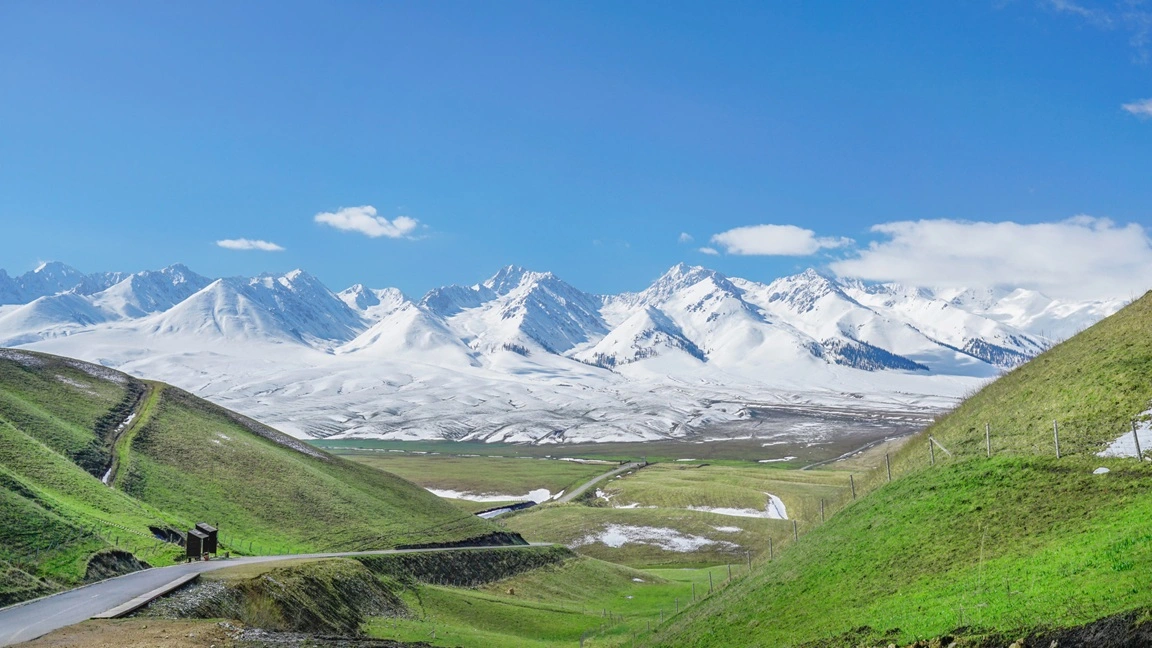
Northwest China (Ili in Xinjiang, Qinghai–Gansu Loop): From late April onward, roads open up and grasslands start turning green.
Skip for now: North China's grasslands (Hulunbuir) are still cold and brown through most of spring. Wait until early summer.
Summer (June–August)
Best places to go:
North China (Hulunbuir, Inner Mongolia): Cool summers, wide-open grasslands, and easy driving. A strong choice for families.
Northwest China (Ili, Qinghai–Gansu Loop): Peak season for the Silk Road. Warm days, long daylight, and full access to remote routes. Best for experienced drivers.
Southwest China (Shangri-La, Guizhou): Highland temperatures stay cool and pleasant — a welcome break from the heat in southern and central cities.
Skip for now: East China gets hot and humid. Save it for cooler months — but if you don't mind the heat, summer here can actually be a lot of fun: cool off in hotel pools, drift down river canyons, and enjoy the lively summer atmosphere of the water towns.
Autumn (September–November)
Best places to go:
Northwest China (Qinghai–Gansu Loop, Ili): Clear skies, cool dry weather, and yellow poplars. Many people consider this the best time for the region.
North China (Hulunbuir): Grasslands turn amber before winter sets in. Go in early autumn before temperatures drop.
East China (Anji, Wuzhen): Bamboo forests and old water towns are at their best in October and November.
Southwest China (Guizhou): Terraced fields look their best around harvest season.
Winter (December–February)
Best places to go:
Southwest China (Guizhou, Yunnan): Mild winters, lower prices, and uncrowded trails.
East China (Anji, Wuzhen): Quiet and atmospheric, still comfortable for short drives.
Skip for now: Northwest and North China. Potentially heavy snow and ice can close mountain passes and rural roads, and the grassland regions get bitterly cold.
Busy Periods to Plan Around
Three stretches of the year bring higher prices and heavier crowds. You can still travel during these windows, but book transport and hotels well in advance.
Chinese New Year (Spring Festival): A 7-day holiday following the lunar calendar, usually late January to mid-February. Trains and flights fill up as hundreds of millions of people travel home.
Labor Day (May 1–3): A 3-day break. Cities and major landmarks get crowded. Backroads and small towns stay quiet.
National Day / Golden Week (October 1–7): The busiest travel week of the year. Popular sites are packed. Book 2–3 months ahead, or head to lesser-known regions.
One Friendly Tip
Try to plan your trip 2–3 months ahead. That gives you the best pick of vehicles, routes, and places to stay, and takes the stress out of the last-minute scramble. Whenever you come, there's always a corner of China worth exploring — we'd be happy to help you find yours.
Related Articles
Best Road Trips in China in 2026: Where to Go
China is massive — and picking one region for your road trip can feel overwhelming. Here's a simple breakdown of the four best regions for self-drive travel, so you can match one to your style.
Essential Guide to Xinjiang, Tibet & Other Tibetan Regions
Planning a trip to Xinjiang, Tibet, or Qinghai? This guide outlines essential travel requirements, including necessary permits and restricted areas, ensuring a smooth and informed journey for foreign visitors.
Do I Need a Visa to Travel to China?
For most travelers, getting a tourist visa is a simple part of the process — and many visitors from over 40 countries can now enter China visa-free for up to 30 days.

Ready to start your adventure?
The road to an unforgettable Chinese journey begins with a simple conversation. Whether you have a specific route in mind or just want to learn more about how self-driving in China works, we are here to help.