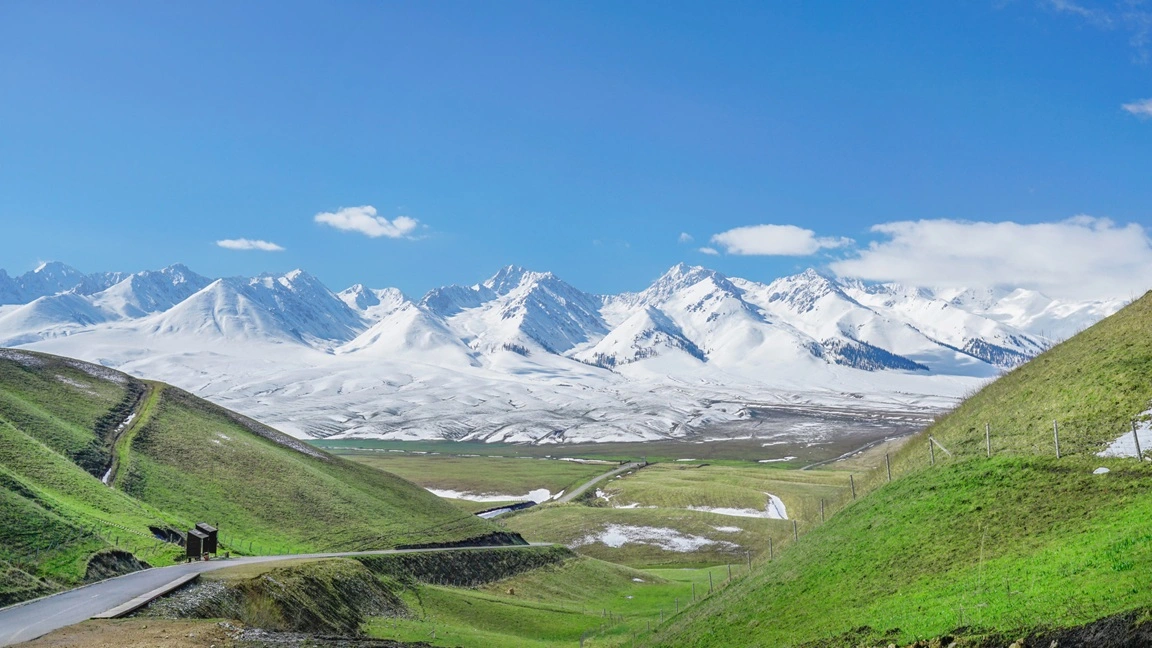
Essential Guide to Xinjiang, Tibet & Other Tibetan Regions
Planning a trip to Xinjiang, Tibet, or Qinghai? This guide outlines essential travel requirements, including necessary permits and restricted areas, ensuring a smooth and informed journey for foreign visitors.
Last update: January 30, 2026
At Dragon Roads, your safety and peace of mind come first. Our itineraries are designed to take you through the most scenic and traveler-friendly regions of China, while avoiding areas that are restricted or difficult to access for foreign visitors.
Below is some helpful information about regions that have special travel requirements — just so you know what to expect if you plan to visit them in the future.
Xinjiang
Xinjiang welcomes travelers with its breathtaking desert landscapes and Silk Road heritage. Foreign visitors are simply required to show their passport at certain checkpoints — such as hotels, transportation hubs, and some scenic sites — much like other international destinations with local security checks.
A few remote border areas (for example, Baisha Lake) require a Frontier Pass for entry. The process is easy, and we can guide you through it in advance.
Some scenic spots in restricted zones (such as the Bayanbulak section of the Duku Highway) remain closed to foreigners, but don’t worry — Dragon Roads’ itineraries are thoughtfully curated to focus on the open, accessible, and most rewarding parts of Xinjiang.
(Yili in Xinjiang)
Tibet
To visit Tibet, foreign and Taiwan passport holders need to obtain a Tibet Travel Permit through a licensed travel agency and join an organized tour (independent travel isn’t allowed). Applying for the permit is straightforward, and we recommend starting about 15 days before your planned trip.
Additionally, certain attractions within Tibet are currently closed to foreign visitors.
(Mount Kailash in Tibet)
Qinghai and Tibetan Areas of Sichuan
Some high-altitude regions — such as Yushu (Qinghai), Garzê (Ganzi), and Ngawa (Aba) — may require a simple Frontier Pass, which can easily be arranged before your journey.
A few remote monasteries or valleys (like Sertar or the Jinjiang Gorge) remain restricted, but these are already excluded from our routes. Instead, you’ll explore spectacular open regions filled with Tibetan culture, mountain scenery, and welcoming local communities.
In Qinghai, certain prefectures such as Haixi are not currently open to foreign travelers, and some areas allow daytime visits only. As always, Dragon Roads itineraries are carefully designed to take you to destinations that are accessible, safe, and awe-inspiring—without the hassle of navigating complex logistics.
China’s travel policies continue to evolve — generally toward greater openness and convenience for international visitors. Dragon Roads actively monitors the latest regulations and keeps all our routes compliant, comfortable, and stress-free. Wherever you go with us, you can simply enjoy the journey — and let us handle the details.
Related Articles
When Is the Best Time to Travel in China?
China is a huge country with very different climates from one region to the next, so the best destination really depends on when you travel. Here's a simple, friendly guide to help you pick the right region for each season — and a heads-up on which places are better to save for another trip.
Best Road Trips in China in 2026: Where to Go
China is massive — and picking one region for your road trip can feel overwhelming. Here's a simple breakdown of the four best regions for self-drive travel, so you can match one to your style.
Do I Need a Visa to Travel to China?
For most travelers, getting a tourist visa is a simple part of the process — and many visitors from over 40 countries can now enter China visa-free for up to 30 days.
Ready to start your adventure?
The road to an unforgettable Chinese journey begins with a simple conversation. Whether you have a specific route in mind or just want to learn more about how self-driving in China works, we are here to help.